
The influence of luck in gambling Is it all just chance Pin Up
The influence of luck in gambling Is it all just chance Pin Up
The Nature of Luck in Gambling
Luck is often perceived as a mysterious force that plays a pivotal role in gambling. It evokes the notion that random chance can dictate outcomes, especially in games like slots or roulette. This unpredictable nature of luck means that despite skill, strategy, or knowledge, the outcome can still hinge upon sheer fortune. Many gamblers enter the casino with the belief that luck is a fickle friend; it can come and go, influencing their chances of winning or losing. Additionally, many enthusiasts turn to Pin-Up betting for a chance to experience this thrill firsthand.
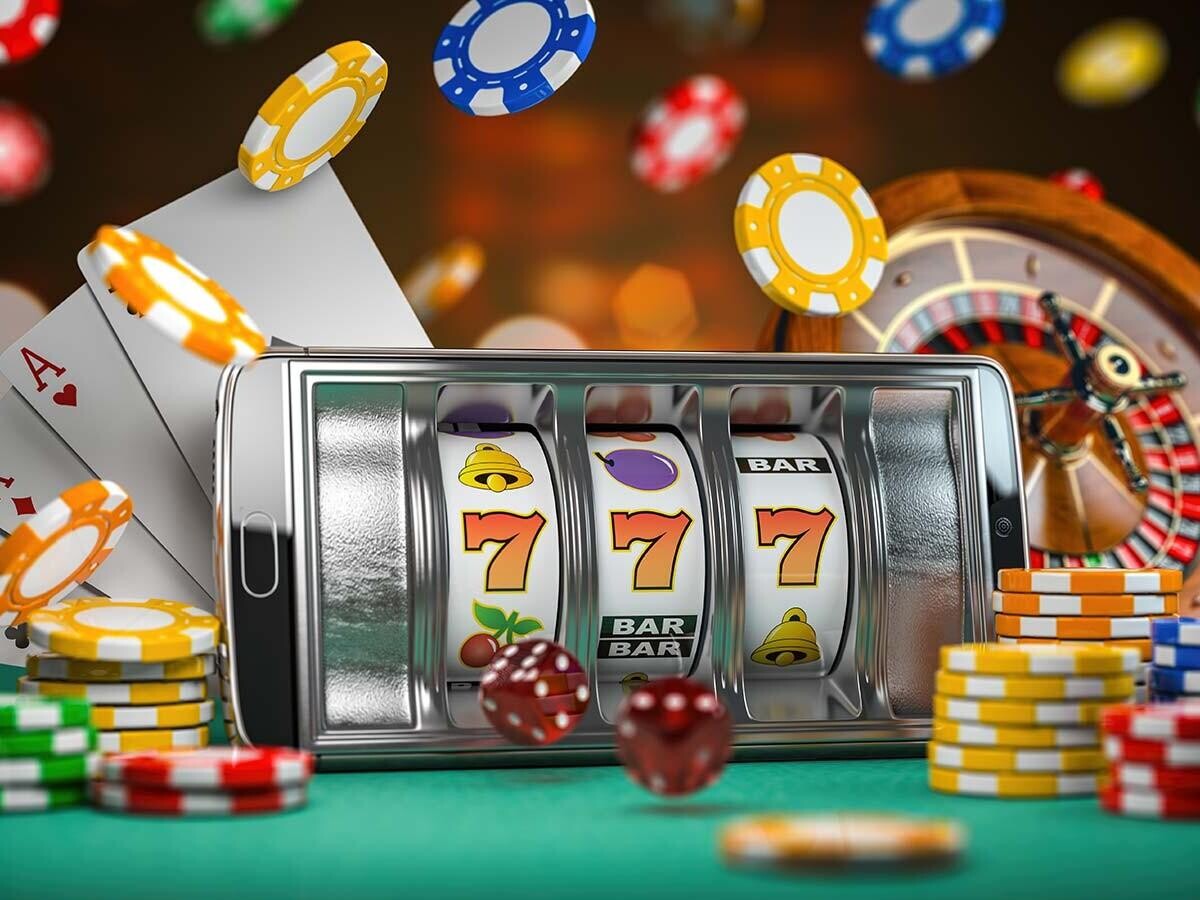
The psychological impact of luck is profound, affecting how gamblers perceive risk and reward. When a player experiences a lucky streak, they may feel invincible, leading to increased wagers and risk-taking behavior. Conversely, a series of losses might instill a sense of helplessness, driving players to chase their losses, often with dire consequences. This emotional rollercoaster highlights the psychological connection between luck and gambling.
Furthermore, studies have shown that gamblers often exhibit cognitive biases when it comes to luck. For instance, the “hot hand” fallacy, where players believe that past winning streaks will continue, can skew their decision-making processes. Understanding these biases is crucial for gamblers, as it helps to differentiate between mere chance and the more calculated risks associated with gambling.
The Role of Skill versus Chance
While luck is undoubtedly a significant factor in gambling, the balance between skill and chance varies across different games. In skill-based games like poker, players have greater control over their outcomes through strategic decisions and psychological tactics. Here, luck still plays a role in the cards dealt, but the skillful player can maximize their chances of winning by leveraging their knowledge and understanding of the game. This distinction is critical as it applies to the Pin Up Bet experience, where strategy can often enhance player success.
In contrast, games such as roulette or slots are purely chance-based, where the outcome is entirely dependent on random number generators or mechanical processes. In these cases, skill has little to no impact, and players must rely solely on luck to determine their fate. This distinction is critical, as it influences how players approach betting, manage their bankrolls, and set expectations for outcomes.
The awareness of this skill versus chance dichotomy can significantly alter a gambler’s experience. While some may find solace in games of pure chance, others seek the challenge and intellectual stimulation offered by skill-based options. Understanding one’s own preferences in gambling can lead to a more satisfying and informed gambling experience, as well as improved financial management.
The Psychological Aspects of Gambling
The psychological factors at play in gambling are as intricate as the games themselves. Gamblers often develop emotional attachments to their bets, leading to a phenomenon known as “loss aversion.” This psychological principle suggests that the pain of losing is felt more acutely than the pleasure derived from winning. Such a perspective can distort a gambler’s decision-making process, resulting in irrational choices fueled by emotion rather than reason.
Moreover, the thrill of gambling can create a cycle of addiction, where the anticipation of a win overrides logical thinking. This compulsion can lead individuals to gamble beyond their means, chasing the elusive high of a big win. Understanding these psychological triggers is essential for both gamblers and those supporting them, as recognizing the patterns can promote healthier gambling habits and mitigate the risks associated with problem gambling.
Gamblers also tend to fall prey to confirmation bias, where they focus on results that align with their pre-existing beliefs about luck and skill. This can create a distorted view of their performance, resulting in misguided strategies or unrealistic expectations. By recognizing these psychological tendencies, gamblers can strive for a more balanced approach, incorporating both rational analysis and emotional awareness into their gambling experiences.
The Influence of Environment and Social Factors
The environment in which gambling takes place can greatly influence a player’s perception of luck and chance. For instance, a vibrant, energetic casino atmosphere may amplify feelings of excitement and risk-taking. This social aspect can create a sense of camaraderie among players, potentially leading to shared beliefs about luck and fortune. In such environments, individuals may find themselves more willing to take risks based on the collective mood rather than their own rational assessments.
Additionally, peer pressure and social dynamics can significantly impact gambling behavior. Friends or family members who encourage riskier betting strategies can sway individuals to act against their better judgment. This communal influence can enhance the thrill of gambling but also poses risks, as it may lead to decisions based on social validation rather than personal strategy or knowledge.
Moreover, the role of advertising and promotional tactics cannot be overlooked. Casinos and online gambling platforms often create narratives around luck and winning, enticing players with the promise of fortune. These marketing strategies can shape perceptions, making players believe that luck is a consistent factor rather than a random variable. Recognizing these influences can help gamblers make more informed decisions and approach their betting activities with a realistic mindset.
Exploring Pin Up Bet and Its Approach to Gambling
Pin Up Bet has emerged as a leading platform for online sports betting, particularly in Bangladesh, where it caters to a diverse audience of both novice and seasoned bettors. With its user-friendly interface and extensive range of sports markets, including cricket and football, it offers a seamless betting experience that combines excitement and convenience. The platform embraces the unpredictability of luck, providing bettors with opportunities to test their strategies while navigating the inherent risks of chance.
What sets Pin Up Bet apart is its commitment to responsible gambling practices. The platform emphasizes the importance of understanding the psychological aspects of gambling, encouraging players to set limits and engage in self-reflection. By fostering a culture of awareness around luck and skill, Pin Up Bet empowers its users to make informed decisions and enhances their overall betting experience.
In conclusion, the influence of luck in gambling is undeniable. Whether playing at land-based casinos or online platforms like Pin Up Bet, understanding the psychological and environmental factors can lead to better decision-making and a more rewarding gambling journey. Embracing both chance and skill, while being aware of the risks involved, is crucial for those looking to navigate the exciting world of gambling successfully.
