
Understanding the psychology of gambling the hidden motivations and mental traps
Understanding the psychology of gambling the hidden motivations and mental traps
The Allure of Gambling
The psychology of gambling is rooted deeply in human behavior and motivation. Many individuals are drawn to casinos and betting environments due to the thrill of risk-taking. The excitement of potentially winning large sums of money can create a rush that is hard to resist. This allure can often overshadow rational thinking, leading to impulsive decisions fueled by emotion rather than logic. For those interested in a gaming experience that is less restricted, there are options available like casino not on gamstop.

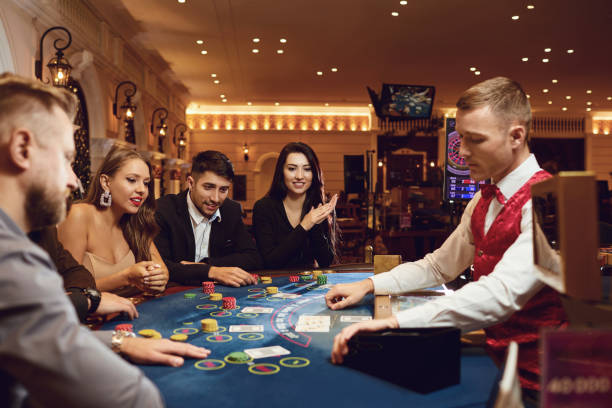
Moreover, the environment in casinos is meticulously designed to enhance the gambling experience. Bright lights, engaging sounds, and a sense of community can all contribute to a heightened emotional state. This creates a unique atmosphere where players feel encouraged to continue playing, even in the face of losses. The combination of psychological factors and environmental stimuli makes gambling a compelling pursuit for many.
Hidden Motivations Behind Gambling
Individuals often engage in gambling for various reasons that go beyond just monetary gain. Many seek an escape from daily stressors or a temporary reprieve from life’s challenges. The act of betting can serve as a distraction, providing a sense of control in situations where individuals may feel powerless. This psychological need for control can lead to a cycle of gambling as a means of coping.
Additionally, social interaction plays a significant role in gambling. Many people enjoy the camaraderie of being in a casino setting, sharing experiences with friends or even strangers. This social aspect can enhance the overall appeal, making it a more attractive option for those seeking connection and entertainment. Understanding these hidden motivations can help individuals reflect on their gambling habits more critically.
Mental Traps of Gamblers
Gambling can lead individuals into various mental traps, often referred to as cognitive biases. One common bias is the “illusion of control,” where gamblers believe they can influence the outcome of random events. This can lead to overconfidence and increased betting, despite evidence suggesting that outcomes are purely chance-based. Such cognitive distortions can further entrap individuals in cycles of chasing losses.
Another significant mental trap is the “sunk cost fallacy.” Gamblers might continue investing time and money into a game, believing that their previous losses must be recouped. This mindset often results in deeper financial and emotional investment, further entrenching them in potentially harmful behaviors. Recognizing these mental traps is crucial for anyone looking to understand their gambling habits more comprehensively.
The Role of Rewards and Reinforcement
The psychology of gambling is heavily influenced by the principles of reward and reinforcement. Casinos utilize this to their advantage, employing strategies that maximize player engagement. The anticipation of winning, coupled with intermittent reinforcement—occasional wins amidst losses—can create addictive patterns of behavior. This unpredictability keeps players engaged, as they continually seek the next big win.
Moreover, the thrill of a near-win can be just as powerful as an actual win. The brain releases dopamine during these moments, reinforcing the gambling behavior and making it more likely that the individual will continue to play. Understanding how these reinforcement mechanisms work can provide insights into the compulsive nature of gambling and the challenges associated with quitting.
Conclusion and the Importance of Awareness
Understanding the psychology of gambling is crucial for both gamblers and their loved ones. Awareness of hidden motivations, mental traps, and reinforcement mechanisms can foster healthier relationships with gambling activities. Individuals can benefit from recognizing when their gambling may be crossing into problematic territory, allowing for informed decisions and potential lifestyle changes.
This website aims to provide a deeper understanding of these complexities and offers resources for those looking to explore their gambling habits. By fostering an informed community, we hope to promote healthier choices and encourage open discussions about gambling behaviors and their impact on mental well-being.
